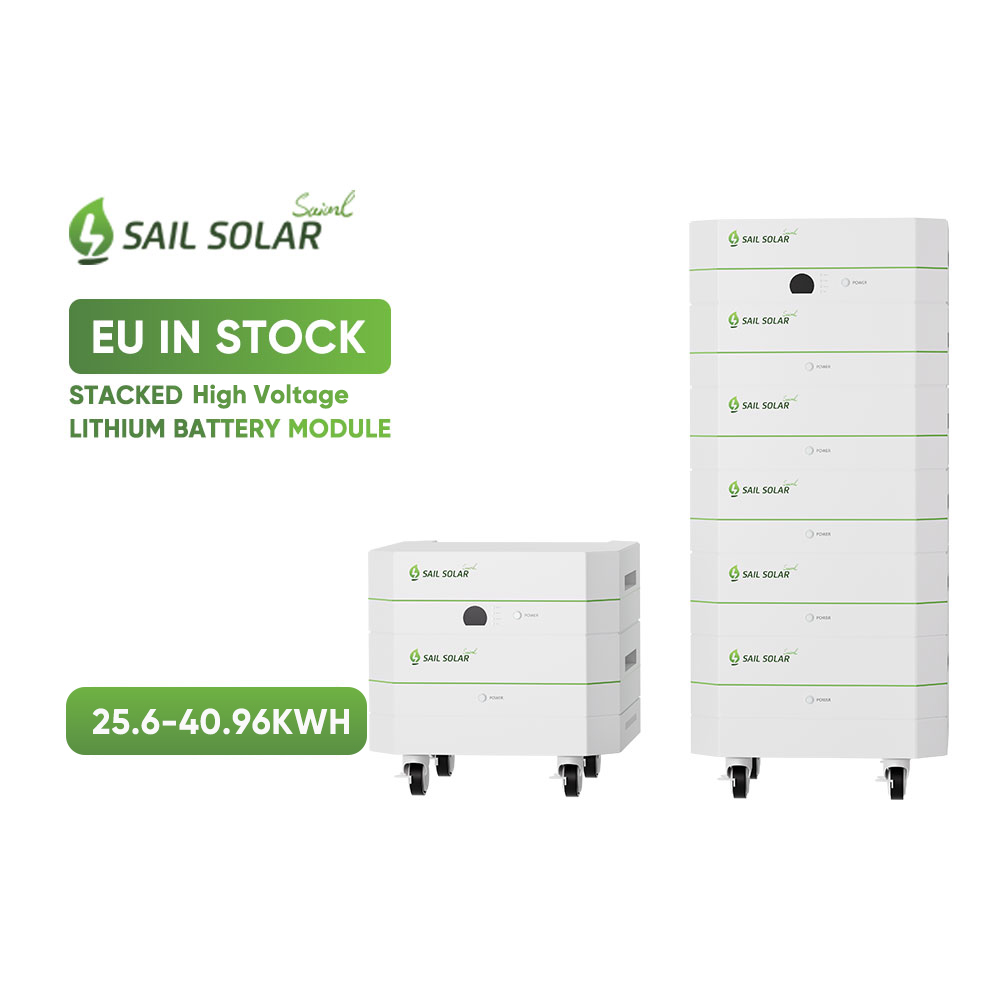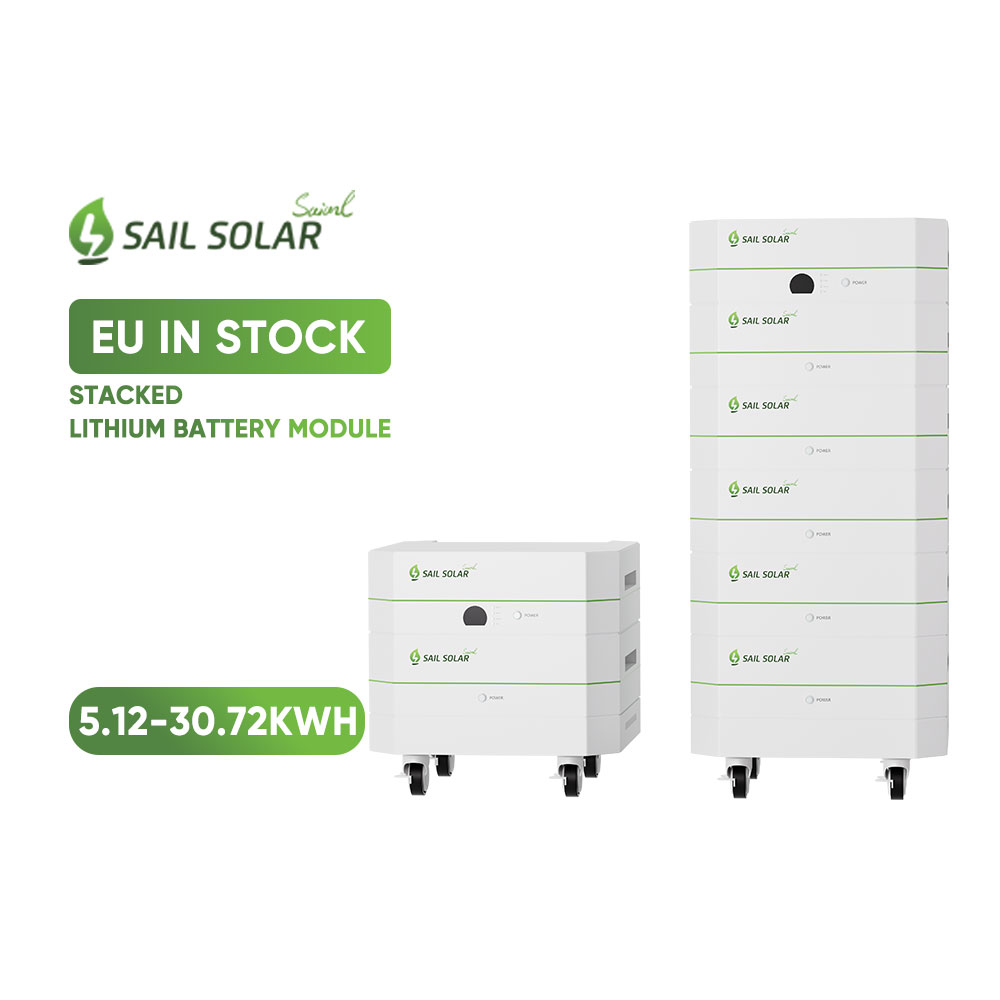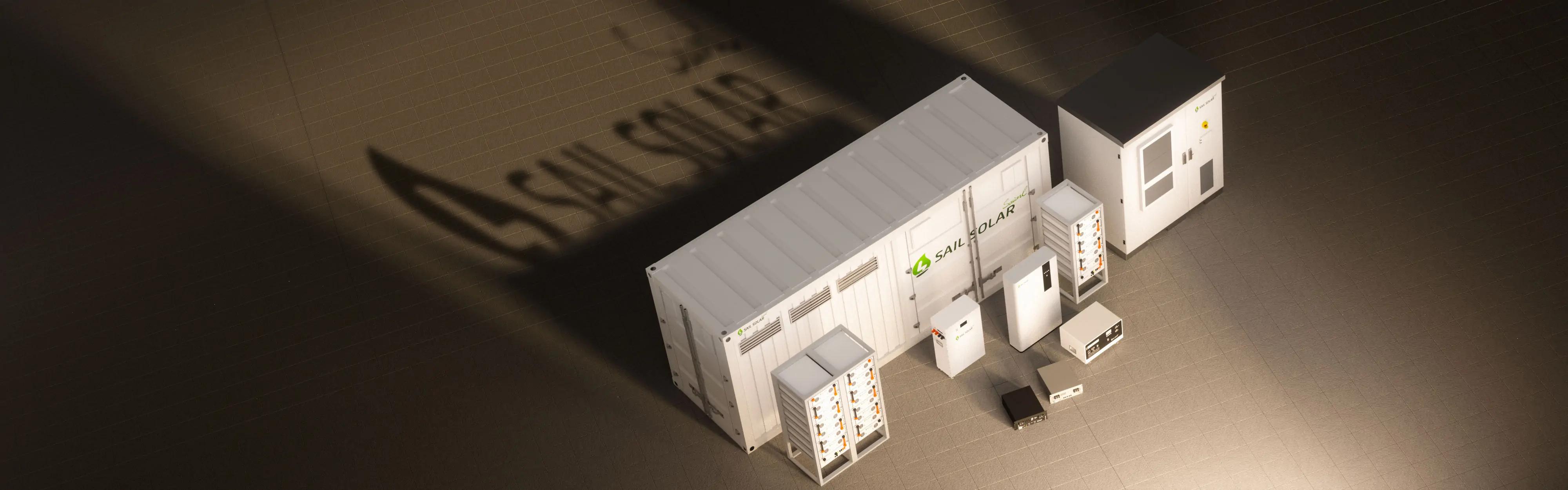
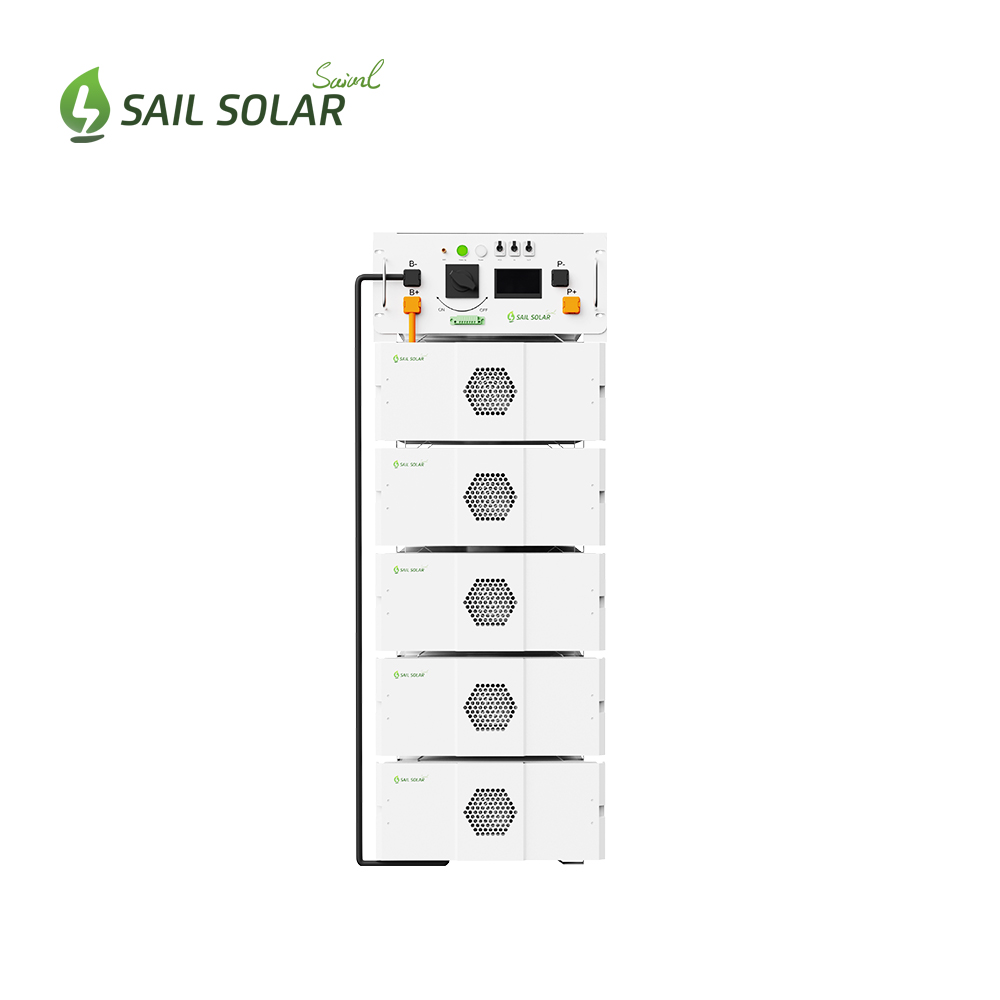
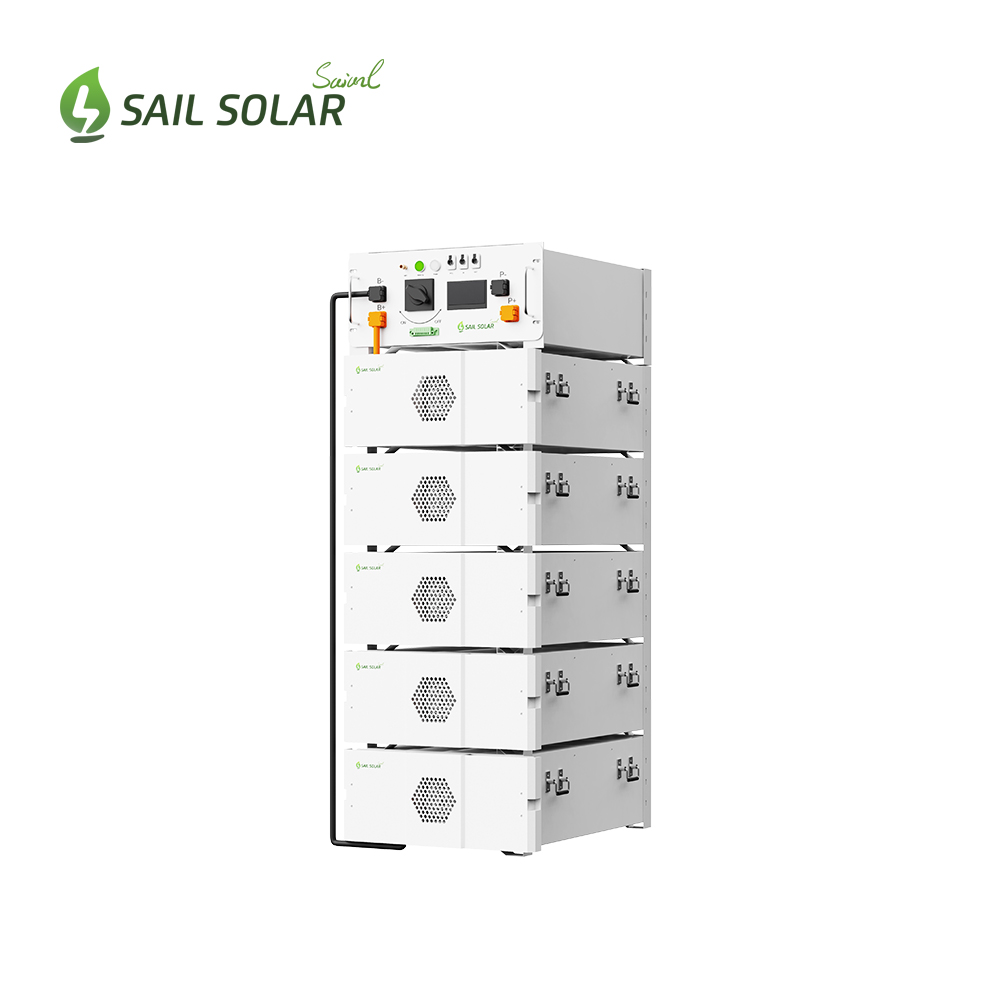
The 51.2V 314Ah lithium battery module is designed for high-voltage energy storage systems, offering large capacity per module and high system efficiency.
The 314Ah design reduces the number of parallel strings, improving system reliability, consistency, and BMS control accuracy.
With LiFePO₄ cell technology, the module provides high safety, long cycle life, and stable thermal performance. Its stackable structure supports series connection for voltage expansion and seamless integration with hybrid inverters and PCS, making it ideal for commercial, industrial, and microgrid applications.
Markenname :
SAIL SOLARTyp :
LiFePo4Nennspannung :
51.2VBatteriekapazität :
16.07KWHAnzahl der Zyklen :
>8000 Cycles @0.2C 80%DoDEffizienz der Ladung :
100% @0.2CEffizienz der Entladung :
96~99% @1CKommunikation :
RS485/RS232/CANFarbe und OEM :
White or customizedGarantie :
10 Years
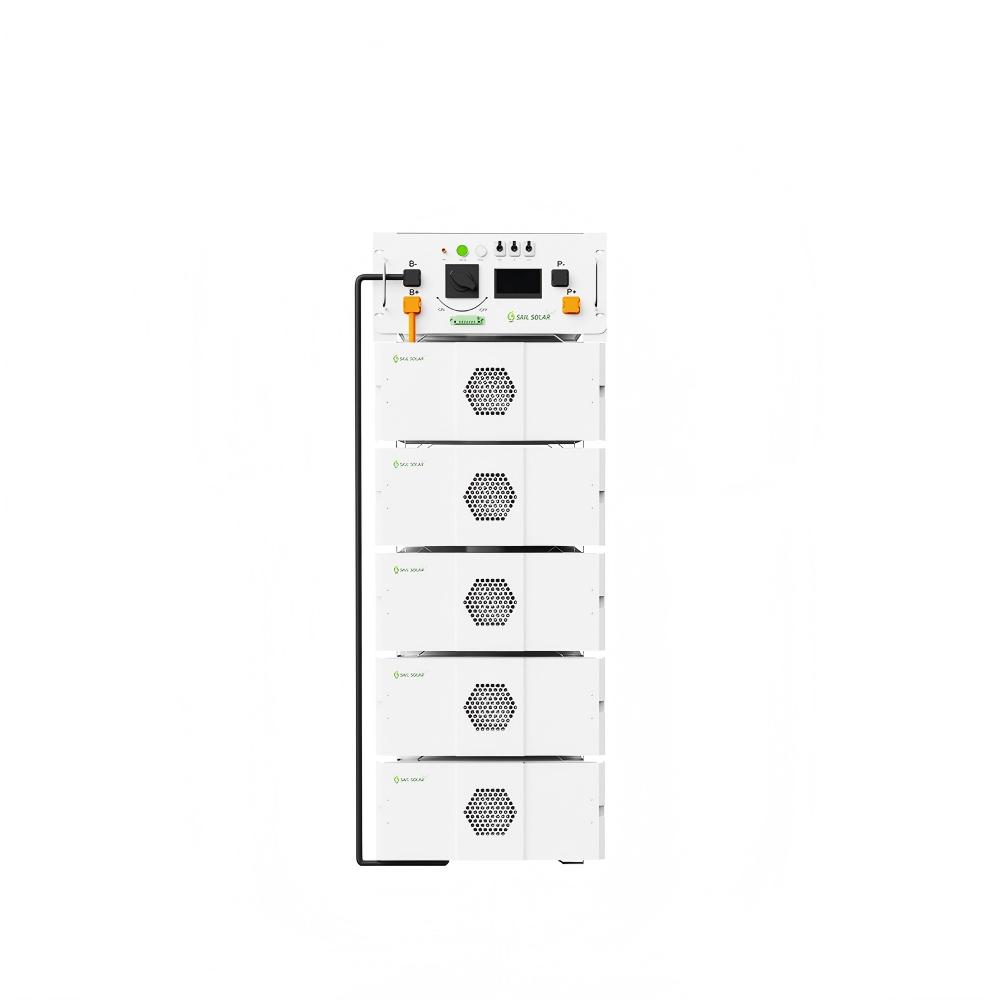
The 51.2V 314Ah high-voltage lithium battery module is engineered for medium and large-scale energy storage systems, offering high energy density and large single-module capacity. The 314Ah design significantly reduces the number of parallel battery strings, improving system consistency, reliability, and BMS management accuracy, while simplifying installation and maintenance.
By adopting a high-voltage series architecture, the system operates at lower current levels, which minimizes cable size, conduction losses, and thermal stress, resulting in higher overall system efficiency. The module is based on LiFePO₄ cell technology, providing excellent safety performance, long cycle life, and stable operation under demanding charge and discharge conditions.
The stackable modular design supports flexible capacity expansion and seamless integration with hybrid inverters and PCS, making it well suited for commercial, industrial, and microgrid energy storage applications requiring reliable, high-efficiency power delivery.
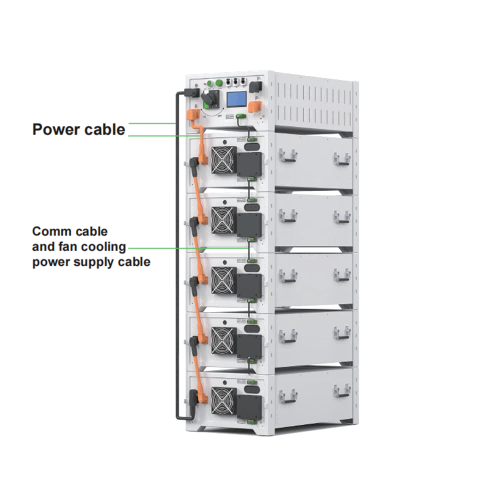
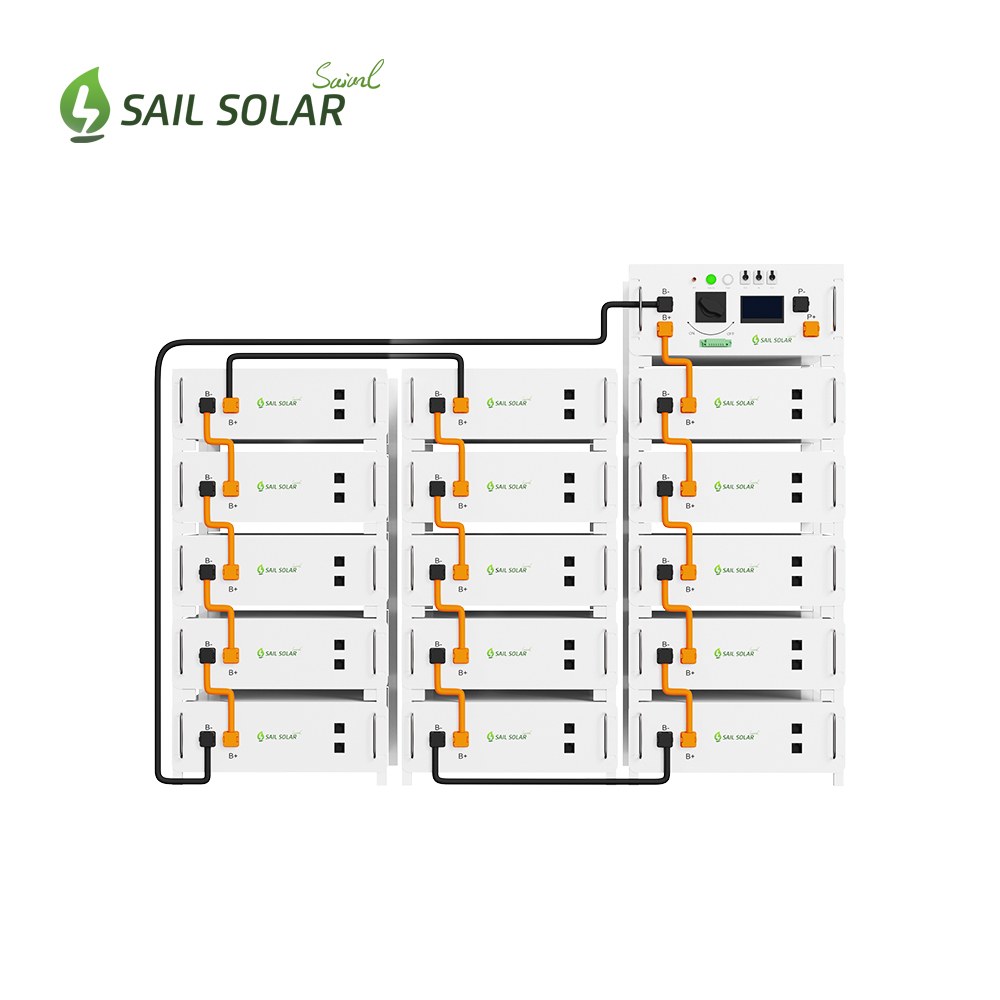
1. Battery Modules
Each module is a lithium battery unit designed for series connection. The stackable structure allows multiple modules to be combined to form a high-voltage battery system.
2. DC Power Cable
The DC power cables connect the battery modules in series, enabling voltage stacking and delivering high-voltage DC output to the system. This design reduces current and cable losses.
3. Communication Cable
The communication cable links all battery modules to the master BMS, allowing real-time data exchange such as voltage, temperature, and operating status.
4. Cooling Fan and Power Supply Cable
Each module is equipped with an active cooling fan. The fan power supply cable ensures stable operation of the cooling system and effective thermal management.
5. Master BMS (Top Unit)
Installed at the top of the stack, the master BMS collects data from all modules, manages charge and discharge limits, and provides system-level protection and control.
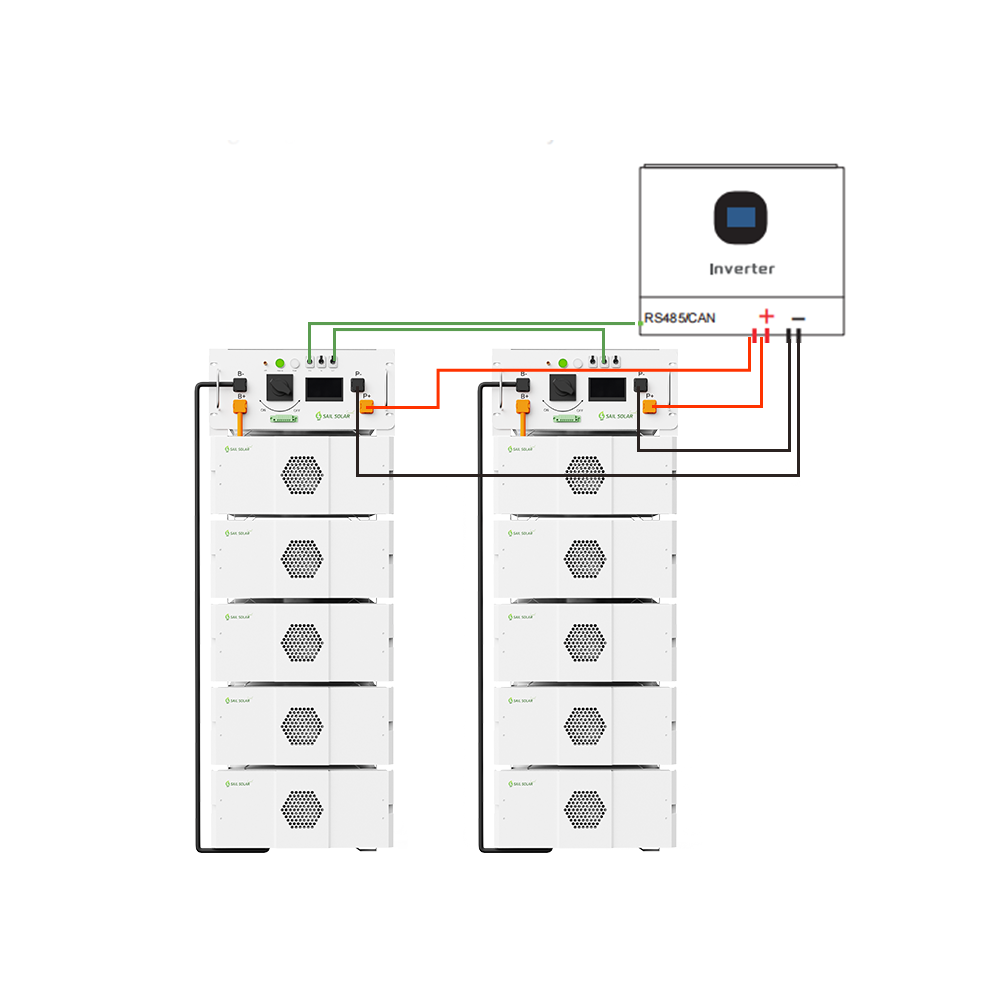
High-Voltage Battery System Connected to Inverter
The diagram shows two stacks of 51.2V 314Ah lithium battery modules connected in series to form a high-voltage battery system. Each stack integrates multiple battery modules and a top-mounted master BMS for centralized monitoring and protection.
The battery stacks are connected to the inverter through:
-DC power cables (P+ / P−), delivering high-voltage DC energy for charging and discharging
-RS485 / CAN communication cables, enabling real-time data exchange between the battery BMS and the inverter
This configuration allows the inverter to accurately control charge and discharge based on battery status, ensuring safe operation, high efficiency, and reliable integration with hybrid inverters or PCS.
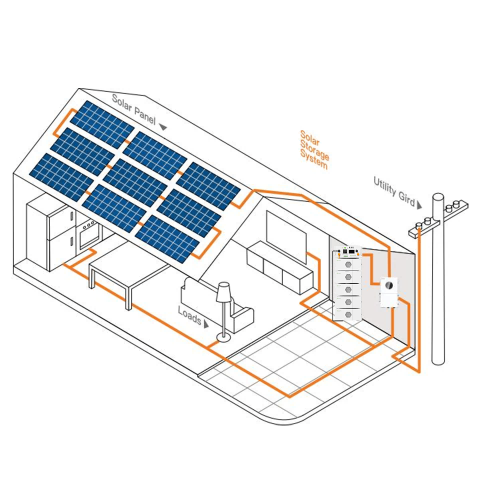
The diagram illustrates an integrated solar PV and high-voltage lithium energy storage system for residential or commercial applications.
Solar panels generate DC power, which is managed by the inverter to supply electrical loads and charge the battery storage system. The high-voltage lithium battery stores excess solar energy and discharges when solar generation is insufficient or during peak demand periods.
The system is connected to the utility grid, allowing grid import or export of energy to ensure stable, continuous, and efficient power supply.
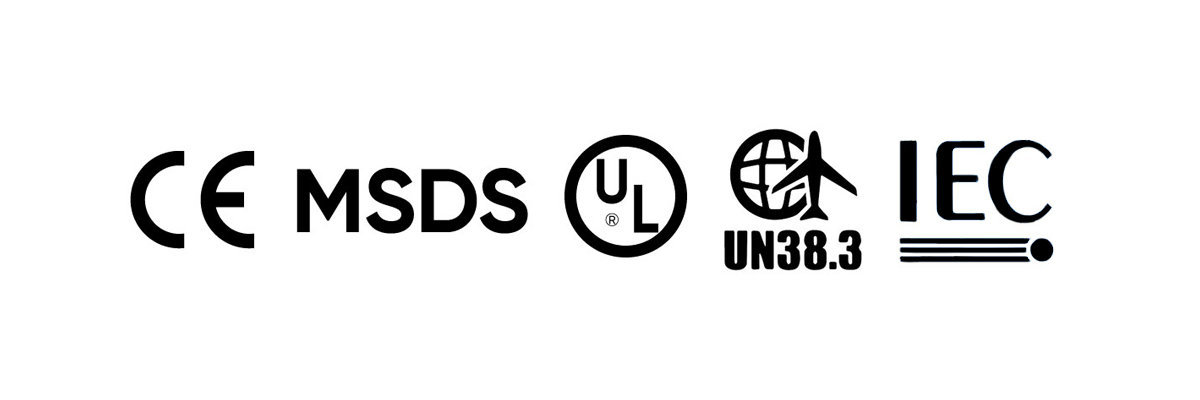
Certification
STICHWORTE :
Tel : +86 -18655186412
Email : Inquiry@sailsolarpv.com
Whatsapp : +86 -18655186412
Add : Building 7, Cross Border E-Commerce Supervision Zone, Hefei, China


© 2026 SAIL SOLAR ENERGY CO., LTD Alle Rechte vorbehalten
|Seitenverzeichnis |XML| Datenschutz-Bestimmungen